





The world of software testing isn’t slowing down anytime soon. Teams are releasing updates faster, systems are getting more complex, and users expect everything to “just work.” It’s a lot to juggle. The good news is that testing itself is evolving to meet those challenges. As we move into 2026, a few clear trends are starting to shape how QA teams think and operate.
Here’s what’s on the horizon, and why it matters.
1. Autonomous AI Testing Agents
AI in testing used to sound like a buzzword, but now it’s turning into something genuinely useful. The next generation of testing tools can take care of busywork that used to drain hours, sorting through failed test runs, spotting weird behavior in logs, or suggesting test coverage improvements.
The idea isn’t to replace testers. In fact, these tools work best when paired with people who can interpret what the AI finds. They’re partners, not replacements. The AI can flag an odd pattern, but it’s still the human who figures out whether it’s a real problem or a false alarm. Over time, this mix of automation and intuition is creating faster feedback loops and freeing up testers to focus on deeper, more investigative work.
That said, the transition won’t be effortless. Some teams will struggle to trust the AI’s insights or might spend time double-checking what it finds. The real challenge is learning how to depend on these tools without handing them the keys entirely.
2. Testing AI-Generated Code
AI isn’t just testing anymore, it’s writing code. And while that sounds efficient, it also makes QA a lot more interesting. Code that looks fine at first glance might hide subtle performance bugs, security gaps, or odd logic patterns that only surface under real pressure.
In 2026, testers are stepping in earlier to make sure AI‑produced code meets the same standards as anything else in a production environment. That means heavier use of static analysis, unit testing, and manual reviews. Some QA teams are even setting up small “AI checklists”, which are things to look out for when reviewing code that was written by a model rather than a person.
It’s creating a new kind of collaboration between testers and developers. Everyone is learning how AI’s quirks show up in real projects. The end goal isn’t to slow down innovation, it’s to make sure the speed of AI doesn’t come at the cost of security or reliability.
3. Continuous Quality with Shift-Left and Shift-Right Testing

A few years ago, “shift left” and “shift right” were trendy terms. Now they’re just how smart teams work. Testing doesn’t start at the end anymore, and it doesn’t stop at release either. It’s happening all the time, in small bites, across the whole lifecycle.
That constant feedback changes how people think about quality. Developers catch small issues early, testers monitor production data to see how features behave “in the wild,” and operations teams feed performance insights back into planning. It’s a loop, one where everyone shares responsibility for keeping the product stable.
But with constant testing comes constant noise. Teams now face alerts, dashboards, and logs overflowing with data. The trick isn’t collecting more information; it’s learning which signals actually matter, and that’s where experienced QA professionals still shine.
4. API-First Testing and Contract Validation

Modern systems rely on APIs, and a lot of them for a matter of fact. With dozens or even hundreds of services talking to each other, one broken endpoint can create chaos. That’s why API‑first testing is becoming central to maintaining stability.
Instead of waiting for full end‑to‑end testing, QA teams are validating API behavior as soon as endpoints exist, they’re checking that inputs, outputs, and service contracts stay consistent, so small changes don’t accidentally break big things. It sounds simple, but this approach saves time, reduces flakiness, and makes large systems easier to manage.
The challenge, of course, is discipline. APIs evolve constantly, and test contracts have to evolve right along with them, and the most successful teams will be the ones that integrate API testing deeply into their pipelines and keep documentation alive, not just written once and forgotten.
5. Security, Performance, and Resilience testing
In 2026, quality isn’t just about whether the app works. It’s about whether it’s fast, safe, and strong under pressure. A system that performs perfectly in a lab but crashes during peak traffic isn’t a quality system, it’s a liability.
That’s why continuous stress testing, security scanning, and resilience drills are becoming just as normal as functional testing. Teams are baking these checks into every release cycle instead of saving them for the end, some are even running small chaos experiments to see how systems behave when services go down or networks slow to a crawl.
The result is a broader, more practical view of quality, because it’s not about catching every bug, but instead about building confidence that your product will hold up in the real world.
Key takeaways for software testing in 2026
- AI will become a more active part of testing workflows.
- AI generated code introduces new quality considerations that teams must validate.
- Continuous quality will depend on effective shift left and shift right adoption.
- API first testing and contract validation will support more stable integrations.
- Security, performance, and resilience testing will become ongoing activities.
These trends reflect a continued shift toward smarter, more connected, and more proactive testing practices that support modern software development.
How Xray helps teams adopt smarter testing practices
As testing evolves, teams need tools that help them move faster without losing control over quality. Xray’s AI guided features support more efficient and consistent testing while keeping testers closely involved in the process.
AI Test Case Generation (Xray Standard, Advanced, and Enterprise)
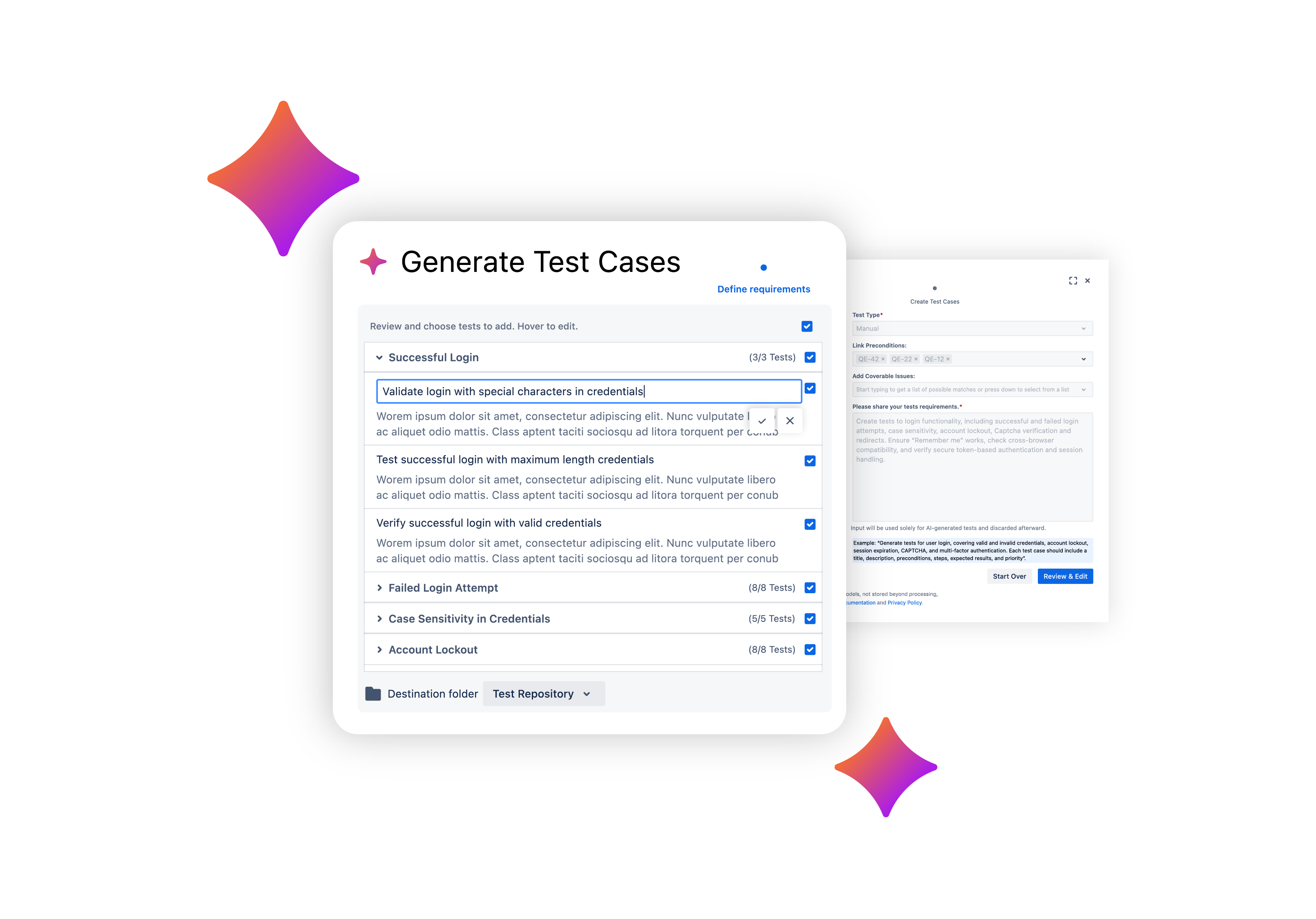
AI Test Case Generation speeds up the test design process by turning requirements into draft test cases. Testers can review, edit, and select the suggestions they want to use, ensuring that the final output is accurate and aligned with real system behavior.
This approach reduces manual work while maintaining human oversight at every step.
AI Test Model Generation (Xray Enterprise)
Exclusive to Xray Enterprise, AI Test Model Generation creates visual models directly from requirement content. These models help teams understand system behavior, uncover missing scenarios, and strengthen overall coverage early in the lifecycle.
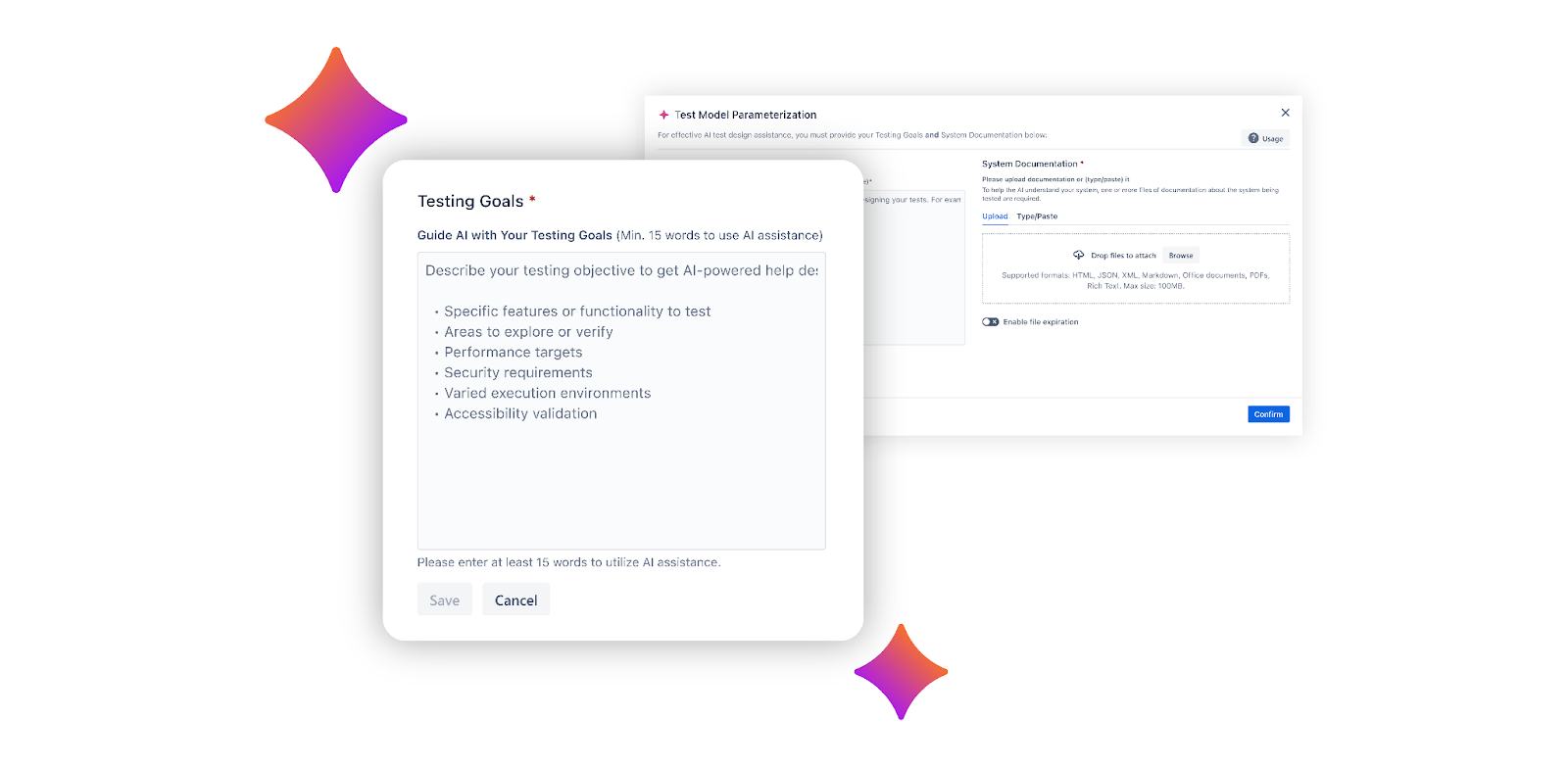
Both capabilities are powered by Sembi IQ, an AI platform built specifically for software testing and security. All processing remains secure, private, and guided by human validation.
Software Testing Trends FAQ
What are the top software testing trends for 2026?
Key trends include autonomous AI testing agents, testing AI generated code, continuous quality with shift left and shift right, API first testing, and continuous security and performance practices.
Why is testing AI generated code important?
AI generated code can contain gaps or inaccuracies. Testing helps ensure it meets security, reliability, and business requirements.
What is API first testing?
API first testing focuses on validating APIs and their contracts before running end-to-end scenarios. This reduces integration issues and improves system stability.
How do shift left and shift right support continuous quality?
Shift left helps detect issues early while shift right provides real world insights after release. Together they create a continuous quality loop.
Does Xray support AI features?
Yes, Xray provides AI Test Case Generation and AI Test Model Generation, both powered by Sembi IQ, to help teams speed up test creation and improve coverage, with human validation guiding the process.