





The first-ever Sembi Software Quality Pulse Report is based on nearly 4,000 responses from QA engineers, developers, security professionals, and engineering leaders worldwide. The findings paint a picture of an industry in motion—and a QA function that increasingly relies on tighter integration, thoughtful AI adoption, and better-connected workflows to keep up. Here's a look at some of the data that matters most for agile QA teams working inside Jira-native environments.
Agile Velocity Is Real, But So Are the Consequences
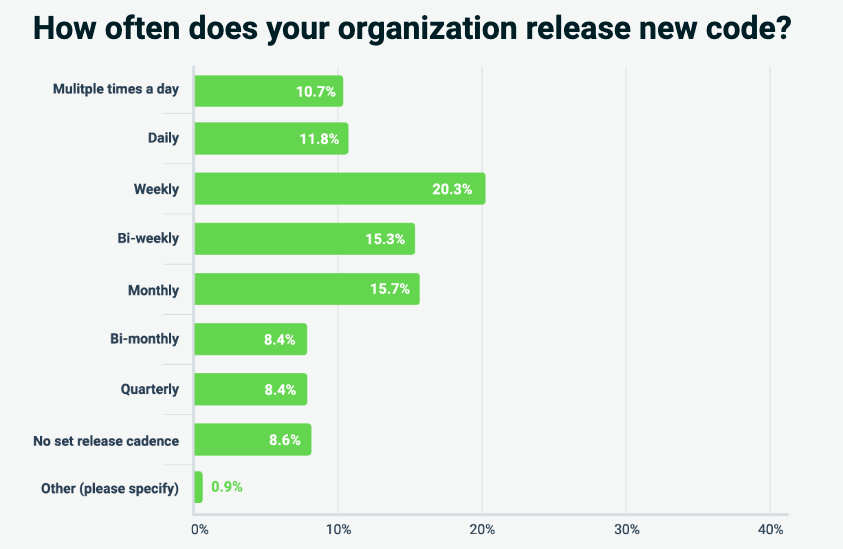
Release cadence varies wildly across the industry, but the pressure to ship faster is nearly universal. What's striking is what's happening at the edges: roughly as many teams are releasing quarterly as are releasing daily. That spread creates real challenges for teams trying to standardize quality practices across different delivery rhythms.
Wanting to ship with quality and actually having the processes to do it are two different things. Teams ranked quality, security, and compliance as their top release priorities—but with only 26% mostly or fully integrated with their DevOps pipelines, most don't have the infrastructure to back that up. The gap between intent and execution is where defect leakage happens.
AI Is Rewriting the Rules of Test Coverage
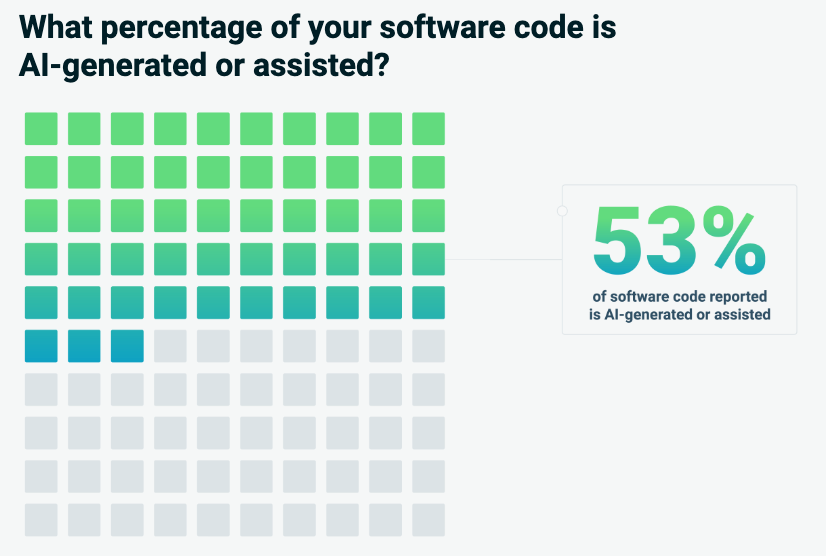
If there's one number that defines the 2026 landscape, it's this: respondents report that an average of 53% of their code is now AI-generated or AI-assisted. That's a fundamental change in the volume, velocity, and risk profile of what QA teams are being asked to test.
- 61% report moderate to dramatic increases in testing demand driven by AI-generated code
- Only 17% say AI-driven testing tools have had a significant impact, and most gains remain incremental
- 57% of tests are currently automated, with QA teams still struggling to close the test automation gap
For teams managing test cases and requirements inside Jira, the implication is clear: AI-assisted test generation, smart requirement traceability, and automated coverage analysis are no longer nice-to-haves. They're the tools that will help teams keep pace with a development environment that's accelerating faster than traditional QA processes were built to handle.
Integration Is the Core Competitive Advantage
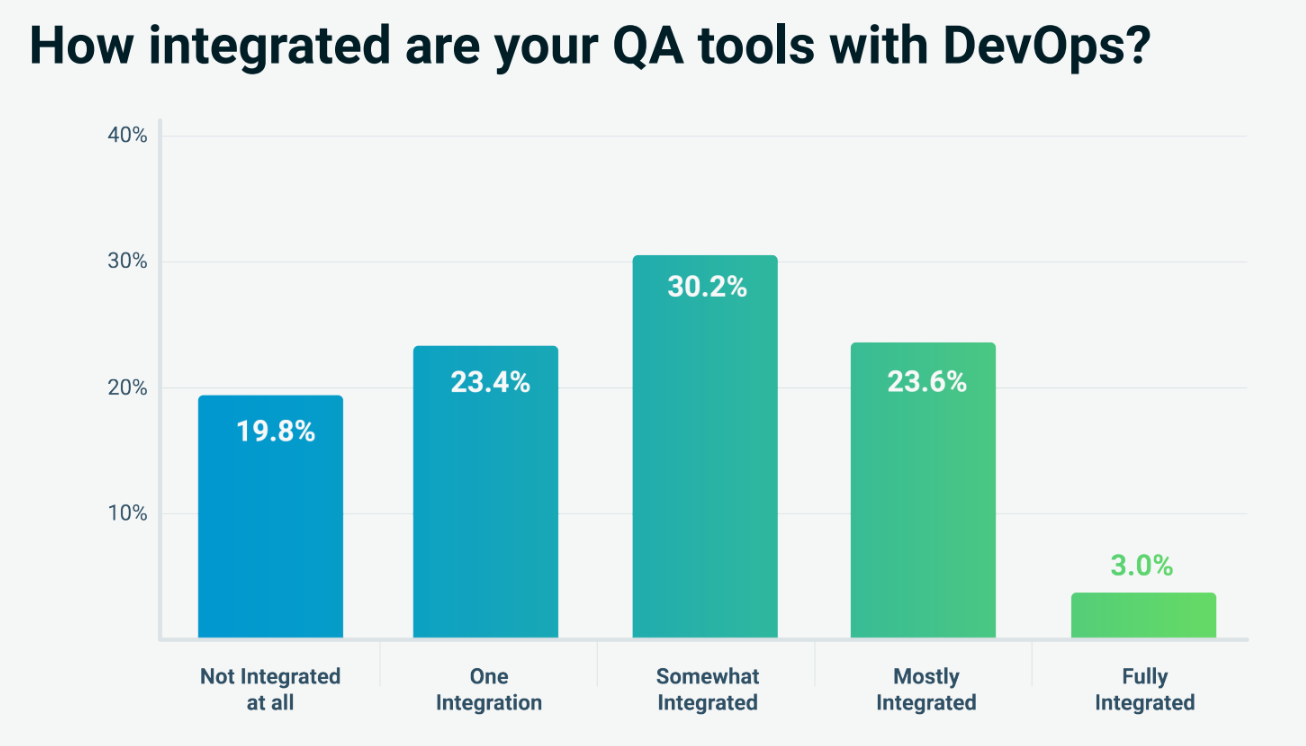
The report is unambiguous on this point: integration with DevOps pipelines is the clearest differentiator between high- and low-performing QA teams. Yet only about 26% of QA teams describe themselves as mostly or fully integrated. The gap is wide, and the consequences are real—delayed feedback loops, fragmented visibility, and duplicated effort.
For Jira-native teams, deep integration between test management and the development workflow is table stakes. When test cases, requirements, defects, and CI/CD results all live in connected systems, teams can make faster, more confident release decisions. Xray's native Jira architecture is purpose-built for exactly this kind of connected quality model.
Shared Ownership and Visibility Are Still Missing
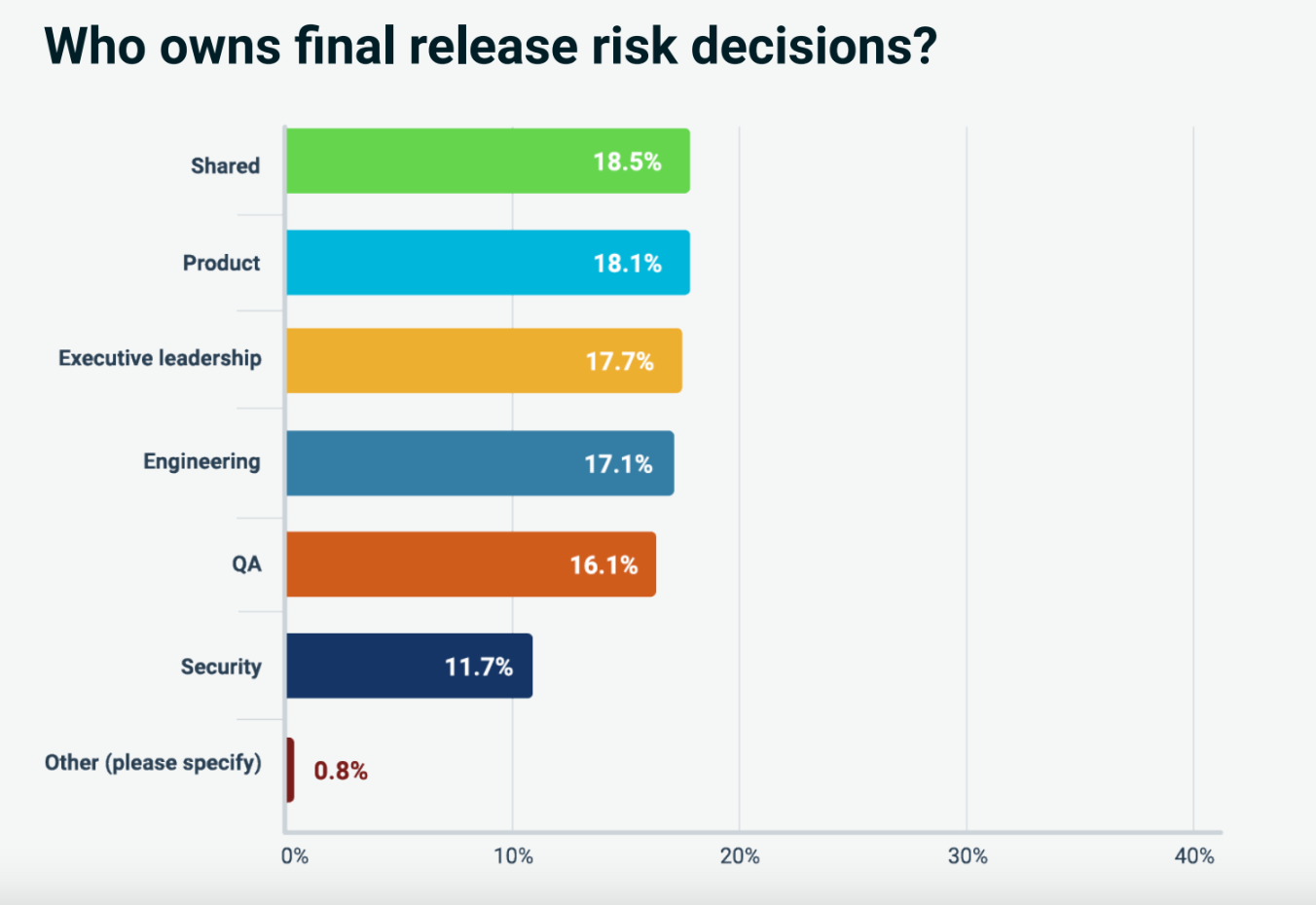
When asked who owns final release risk decisions, respondents gave highly distributed answers—no single function claimed clear authority. "Shared" responsibility ranked highest at just 18.5%, with most other options hovering nearby. The result is diffused accountability, slower decisions, and increased risk.
Teams need centralized dashboards that aggregate QA signals, test coverage data, and defect trends in one place, helping ensure release decisions are based on complete context, not fragmented reports from disconnected tools.
Sembi Software Quality Pulse Report FAQ
What does the 2026 Software Quality Pulse Report mean for agile QA teams?
The report shows that agile teams are caught between accelerating release cadences and QA processes that haven't kept pace. Integration with CI/CD pipelines and real-time test visibility are the clearest differentiators between teams that manage release risk well and those that don't, making connected test management inside Jira more valuable than ever.
How does Jira-native test management help close the integration gap?
Only about 26% of QA teams describe themselves as mostly or fully integrated with DevOps workflows. Jira-native test management eliminates the handoff friction between test cases, requirements, defects, and CI/CD results by keeping everything in one connected system—so release decisions are based on complete, real-time quality data rather than fragmented reports.
How is AI-generated code changing what QA teams need to test?
With 53% of respondents’ code now AI-generated or AI-assisted, QA teams are seeing a significant increase in both code volume and testing complexity. 61% of respondents say AI-generated code has led to moderate or dramatic increases in testing demand. Agile teams managing requirements and test cases inside Jira need AI-assisted coverage analysis and traceability tools to scale without proportional headcount increases.
What's the relationship between QA and security alignment in 2026?
The report found that 68% of professionals say stronger QA and security alignment would be very or extremely valuable—but most teams still operate with separate tools, separate KPIs, and late security involvement. For Jira-native teams, convergence starts with shared visibility: when security findings, test results, and release signals live in connected workflows, cross-functional alignment becomes operationally possible.
Who owns release risk decisions, and why does it matter?
According to the report, no single function clearly owns release risk—'shared' responsibility ranked highest at just 18.5%, with no dominant answer. This diffused accountability leads to slower decisions and increased release risk. Teams that aggregate QA, security, and coverage signals into a unified dashboard are better positioned to make confident, well-informed release calls.
Want the full picture?
These findings are just a preview. The full Sembi Software Quality Pulse Report covers seven major insights across release velocity, AI adoption, automation maturity, staffing, and the convergence of QA and security. Download it to see the complete data.
👉 Download the Sembi Software Quality Pulse Report